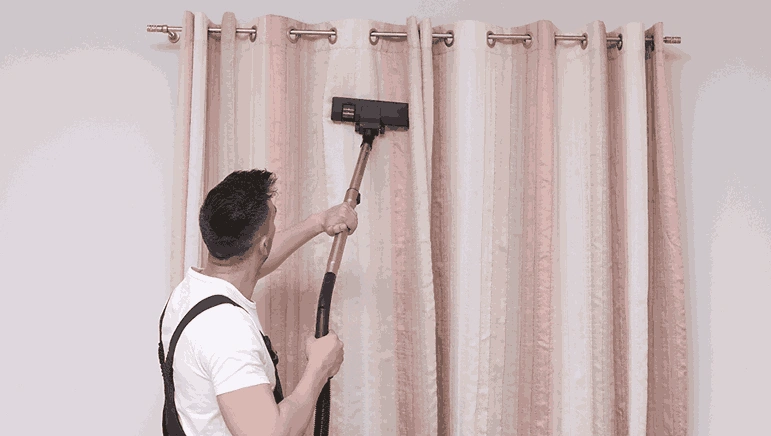
Most Newport households overlook curtains until inspection day or until the colour change against the wall becomes too obvious to ignore. At Extract, we clean curtains and drapes across Newport homes and rental properties on-site. From curtain assessment to final clean, the process is designed to match every business and household schedule.
Fill out the form below and receive your personalized quote
We'll contact you within 2 minutes with your quote.
Every window in a Newport home has curtains or drapes filtering what comes in from outside. Spring pollen. Winter dust. Cooking smells that travel from the kitchen and settle into fabric closest to doorways. The exhaust that drifts in from a busy street. Curtains catch all of it and hold onto it quietly for months, sometimes years, before anyone notices.
The problem is how gradually it happens. A curtain that looked fine six months ago has changed colour slightly. The fabric feels different. The room has a smell that freshening sprays don't shift. Most Newport households realise this only too late.
At Extract, we handle curtain and drape cleaning across Newport homes and rental properties. Every job starts with a fabric assessment before any method is chosen. Sheer curtains that filter morning light need a completely different approach to heavy velvet drapes. Linen pleats behave differently to polyester blockouts. Getting the method wrong on the wrong fabric is how shrinkage happens, colours bleed, and structured pleating loses its shape permanently. We work out what the fabric can handle before we touch anything.
Some seasons in Newport can be genuinely rough on curtains, but we know how to treat them properly.
Sheer, blockout, linen, velvet, eyelet, pencil pleat. Each fabric type assessed individually before we start.
Cleaning without the machine-washing risk that damages curtain fabric and affects the hang permanently.
Not every curtain cleans the same way. The fabric type, the weave construction, and the condition of the material all determine which method is appropriate. Using the wrong approach on the wrong fabric is how curtains shrink, colours bleed, and pleating loses its structure permanently.
Controlled steam works well on curtains that have heavy dust buildup, cooking odour embedded in the fabric, or seasonal pollen worked into the weave. The heat penetrates the fabric without the saturation risk of wet cleaning. Most natural fibre curtains respond well to this method.
Steam cleaning addresses what's inside the fabric rather than just the surface layer, making it a practical choice for curtains that haven't been cleaned in a while.
Delicate fabrics need a method that removes soil without introducing moisture that damages the weave or affects the structure of the pleat. Silk, velvet, and structured drapes with dry-clean-only labels fall into this category. Getting this wrong causes damage that can't be reversed.
Dry cleaning is the safer choice for curtains where fabric integrity matters more than a deep wet clean.
Everyday synthetic and cotton blend curtains in kitchens, bathrooms, and casual living spaces handle machine washing well when done at the right temperature and cycle. The risk with DIY machine washing is incorrect temperature settings that cause shrinkage or colour change in fabrics that looked safe to wash.
Correct temperature and cycle selection makes the difference between a curtain that comes out the same size and one that no longer reaches the floor.
Curtain care covers more than a standard wash. Here's what we handle across Newport homes and rental properties.
Wine, cooking grease, pet marks, and the kind of general contact staining that builds up around curtain edges and hems over time. Each stain gets assessed individually before treatment. Results depend on the fabric type, the stain age, and how deeply it has worked into the weave.
Following a clean, optional protective treatments can be applied to curtain fabric to help resist future dust and moisture absorption. Particularly useful for curtains in high-traffic rooms or near open windows during Newport's pollen season.
Cooking smells, pet odour, and the general mustiness that develops in curtains that haven't been cleaned in a few years. These sit in the fabric weave rather than on the surface. We treat the source rather than masking it with a fragrance.
Newport property managers check curtains at inspection. Dust buildup, staining, and general discolouration are common reasons curtain condition gets flagged at end of lease. We clean to inspection standard and provide documentation after every job on request.
The cleaning method matters as much as the clean itself. The wrong approach on the wrong fabric causes shrinkage, colour bleed, and structural damage that can't be undone. Here's how we work out what each curtain actually needs.
We check the fabric composition, weave construction, and care labels before anything else. Velvet, linen, sheer polyester, and structured pencil pleat drapes all have different tolerances. This step determines everything that follows.
We look at soil levels, any staining, odour issues, and the overall condition of the fabric. A curtain that's been in a Newport kitchen for five years needs a different conversation to a sheer in a bedroom that gets opened twice a week.
Steam, dry cleaning, or machine washing. The choice depends entirely on what the fabric assessment and condition check reveal. We explain the recommended approach before starting and flag any risks specific to the fabric type.
Most Newport households miss the early signs. By the time curtains look obviously dirty, the buildup has been there for a while. Here's what to watch for.
Pull a curtain aside and look at the fabric against the wall behind it. If there's a visible difference in shade, that's dust and pollutant buildup sitting in the weave rather than original fading. Newport's seasonal pollen and urban dust accelerate this more than most people expect.
Fabric that looks dull and flat often responds well to a proper clean. Results depend on how long the buildup has been there and the fabric type.
Opening the windows helps temporarily. The smell comes back because it's sitting in the fabric, not just the air. Cooking smells travel further through open-plan Newport homes than most people realise and curtains near kitchen areas accumulate grease and food odour faster than those in bedrooms.
Odour that returns after airing is coming from inside the fabric. Surface sprays mask it temporarily. A proper clean removes the source.
Water marks from condensation on Newport windows in winter. Splashback from cooking. Pet contact near the hem. These are the most common curtain stains across Newport homes and each one needs a different treatment approach depending on the fabric.
Some stains respond well to treatment. Others that have been there a long time or have been previously treated are harder to shift. We assess each one honestly before starting.
Newport winters create condensation on windows and the curtains hanging in front of them cop the moisture. Dark spots appearing near the bottom or along folds where moisture collects are a sign the fabric needs attention before the mould spreads further into the weave.
Mould in curtain fabric needs to be treated properly rather than wiped at. Surface treatment removes what's visible but leaves the underlying issue in the fabric.
Most Newport households leave curtains longer than they should. Here's a practical approach to timing it right.
Cleaning every 12 to 18 months keeps the fabric in better condition and makes each clean more straightforward than the last.
We check the fabric type, condition, and any specific issues before recommending a cleaning method. A quick conversation about what's hanging in your home saves time and avoids the wrong approach on the wrong fabric.
Freshly cleaned curtains change how a room looks and smells. Newport households with pets, open kitchens, or windows that stay open through spring notice the difference most.
Every curtain job starts with a proper look at what's hanging in the room before any cleaning begins. Fabric type, construction, condition, and any existing damage all affect the approach. Here's how the process works.
A curtain that comes back from cleaning looking worse than it went in is almost always the result of skipping the assessment stage. We don't.
We examine the fabric composition, weave construction, care labels, and current condition before recommending a cleaning method. Sheer polyester, structured linen, velvet blockout drapes, and pencil pleat curtains all need different handling. This step determines everything that follows and takes as long as it needs to.
Hardware, hooks, rings, and any delicate components get protected or removed before cleaning starts. Staining gets pre-treated based on what caused it and how long it has been there. Rushing this stage affects the finished result.
Once cleaning is complete, we check the fabric condition, presentation, and any areas that needed specific attention. If something needs a second pass it gets one before we finish the job.
Removing dry dust and debris before any moisture is introduced is what separates a proper curtain clean from one that pushes dirt deeper into the fabric.
We work through the curtain fabric with extraction equipment to pull loose dust, pollen, and debris out of the weave before cleaning begins. Newport's spring pollen season makes this step particularly important for curtains near windows that get opened regularly.
Dust concentrates in the folds, pleats, and gathered sections of curtain fabric where air circulation is limited. These areas get specific attention during the pre-clean stage because they hold more buildup than the flat fabric sections.
Stubborn dry debris that sits deeper in textured or heavy fabric gets loosened carefully before extraction. This is done with the fabric's tolerance in mind. Heavy agitation on delicate sheers causes damage that the cleaning process can't fix afterwards.
Every stain gets individual attention before the main clean starts. What caused it and how long it has been there determines how we treat it.
Condensation marks, beverage spills, and water damage from Newport window leaks. These respond well to treatment when approached correctly for the fabric type. Older water marks that have dried and set into the weave take more work than fresh ones.
Cooking grease, product residue, and oily contact marks near hems and edges. These sit differently in the fabric than water-based stains and need a different treatment approach. Kitchen curtains in Newport open-plan homes are the most common source of this stain type.
Pet contact, organic matter, and biological staining. These are among the harder stains to shift in curtain fabric because they bond to the fibre over time. Results depend on the fabric type, stain age, and whether previous treatment attempts have been made.
Each stain gets assessed individually before any treatment is applied. Fabric type, stain age, and contamination source all affect which approach is appropriate. Applying the wrong treatment to the wrong stain type on the wrong fabric can cause permanent damage that the main clean cannot reverse.
Previous DIY treatment attempts on curtain stains sometimes make professional treatment harder. If you've already tried something on the stain, let us know before we start so we can factor that into the approach.
The cleaning method gets chosen based on what the fabric assessment and pre-treatment stage revealed. There is no default approach applied to every curtain.
Controlled steam works through the fabric to address embedded dust, odour, and soiling that dry extraction doesn't reach. Best suited to curtains that can handle controlled moisture without risk of shrinkage or colour change.
The right choice for fabrics where moisture is a risk. Velvet pile distorts when wet. Silk watermarks easily. Structured pleating loses its shape if the fabric gets too damp. Dry cleaning addresses soiling without introducing the moisture that damages these materials.
Everyday synthetic and cotton blend curtains handle machine washing well at the correct temperature and cycle. The risk with home machine washing is incorrect settings that cause shrinkage. Correct temperature selection and cycle management makes the difference.
How a curtain dries is as important as how it gets cleaned. The wrong drying approach on the wrong fabric causes shrinkage and distortion that can't be corrected afterwards.
The safest drying method for most curtain fabrics. Controlled airflow through the fabric allows moisture to leave gradually without the heat stress that causes shrinkage in natural fibres. Most cotton, linen, and structured drapes dry best this way.
Suitable for synthetic and cotton blend curtains that handle gentle heat without shrinking. Temperature and timing matter here. Over drying causes fabric stress and affects the hang of the curtain once it goes back up.
Silk, velvet, and other delicate fabrics that distort when hung wet get dried flat. Hanging a wet silk curtain causes the fabric to stretch unevenly and affects how it sits once dry. Taking the extra time here protects the fabric from damage that the cleaning process worked to avoid.
Most people can wash a curtain. Getting it right without shrinking, fading, or warping the fabric is a different matter entirely. Here’s why expert Newport curtain cleaning matters.
Knowing how linen reacts to heat versus how polyester handles the same treatment isn't obvious unless you've seen it go wrong a few times. We've worked through enough fabric types to know what each one can actually tolerate.
A home washing machine and a domestic iron weren't designed with curtain fabric in mind. The equipment we use is suited specifically to textile cleaning, which makes a practical difference on heavier drapes and delicate sheers alike.
A failed DIY attempt often means the curtain needs replacing entirely. Shrinkage, colour bleed, and pleat distortion don't reverse. Getting the method right from the start avoids that outcome.
Taking curtains down, washing, drying, and rehanging them is a half day job at minimum for most households. We handle the process so that time goes back into your weekend instead.
Curtain cleaning sounds straightforward until you've ruined a good pair of linen drapes with the wrong wash setting. Here's what separates a proper job from a risky guess.
Every technician we work with has handled enough fabric types to know how velvet behaves differently to polyester, and why a structured pleat needs a gentler approach than a casual cotton panel. That knowledge comes from working through plenty of curtains, not a training certificate.
We're careful about what touches your curtains, particularly in homes with kids or pets. Nothing harsh left behind once the fabric is dry.
Surface treatment lifts what's visible. The extraction methods we use work through the fabric layers to remove buildup that's settled deep into the weave over time, including the pollen and dust that Newport's seasons push through open windows.
Wine, grease, pet marks, and water damage all need different approaches. We assess what caused the stain and how long it's been there before deciding how to treat it.
Some stains respond well to treatment. Others that have set in over time are harder to shift completely. We're upfront about what's realistic before we start.
Curtain fabric holds onto dust mites, pollen, and pet dander the same way carpet does. Newport households with allergy sufferers or asthma in the family often notice a difference in the room after a thorough clean, though results vary depending on the household and the fabric.
This kind of clean tends to be most noticeable for households where someone deals with allergies, asthma, or general sensitivity to dust.
No taking curtains down and dropping them off somewhere. We come to you and handle the job on-site.
We bring the equipment to your home and clean curtains in place wherever practical, or handle the process there directly when fabric type requires it.
We take bookings across the week including weekends, so you're not limited to weekday availability around work or school routines.
Everything needed for the job comes with us. You don't need to provide anything beyond access to the curtains.
Clear quote before we start, honest assessment of the fabric, and a job done properly without unnecessary extras added on the day.
Inspection date moved forward. Guests arriving sooner than expected. A smell that's suddenly become noticeable before people come over. We take same-day curtain cleaning bookings for situations that can't wait. Call us, tell us what you're dealing with, and we'll check availability for your suburb.
Yes, in most cases. Steam cleaning is commonly done with curtains left in place, which avoids the hassle of taking them down. A full deep clean on heavily soiled fabric sometimes works better with curtains removed.
Pricing depends on curtain size, fabric type, and number of windows. We provide a clear quote based on what's actually hanging in your home before any work starts. Call us for an honest estimate.
Every 12 to 18 months for most Newport households. Curtains near kitchens, in pet households, or exposed to spring pollen benefit from cleaning every 6 to 12 months instead.
Done correctly, steam cleaning carries far less shrinkage risk than home machine washing. We assess the fabric first and adjust temperature accordingly. Incorrect machine settings at home are the more common cause of shrinkage.
In most cases yes, though results depend on how long the mould has been there and how deeply it's set into the fabric. Older or extensive mould growth may require more than one treatment.
Steam cleaning suits natural fibres like cotton and linen, using heat to lift dust and odour. Dry cleaning suits delicate fabrics like silk and velvet that react badly to moisture or heat.
Yes, we handle curtain cleaning at your home across Newport suburbs. No drop-off or collection needed in most cases, though some fabric types may require a different approach depending on condition.
Dusty curtains, lingering smells, or a colour change you've finally noticed against the wall. Whatever brought you here, we're straightforward to deal with. Call us, tell us what's the kind of curtain hanging in your home, and we'll take it from there.